Common Screen Printing Problems and How to Improve Print Quality
In a cutthroat market, high-quality screen printing is a crucial differentiator for brand identity. From custom apparel to high-volume promotional …

Have you ever walked into a large establishment for the first time with no idea where to go? You can always ask for directions, but having visual cues will be much faster and less of a hassle.
Here is where wayfinding signs come in handy. They help people navigate spaces efficiently, with each sign having a distinct function, from guiding to informing.
Let’s discuss different types of wayfinding signage to add to your business premises for better navigation.

Wayfinding signage is a sign or a set of signs informing people where to go in public and private spaces.
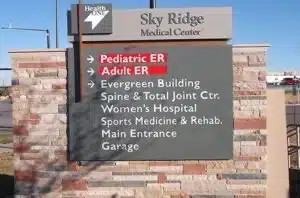
Chances are you’re familiar with one of its most common forms: a post with labeled boards pointing to several places. It’s still popular in hiking trails, but many establishments have found more modern ways to integrate navigation signage seamlessly and in a more visually appealing manner.
Wayfinding signs have become standard in hospitals, shopping malls, airports, and other spaces of all sizes. So, consider implementing them in your establishment to stay competitive.
Let’s talk about eight common wayfinding system designs and types to help you identify which signs to use for your business.
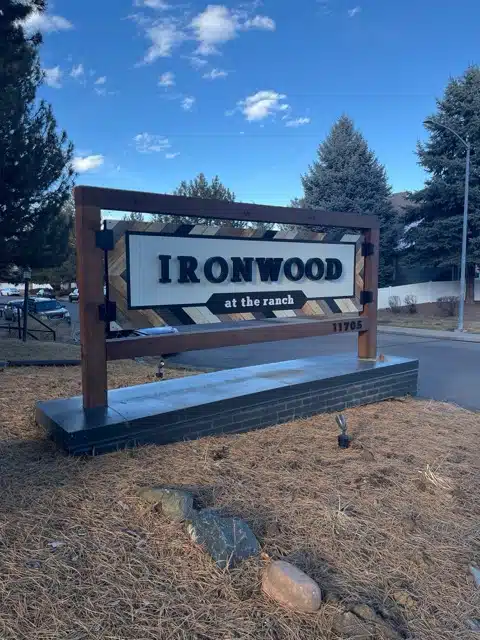
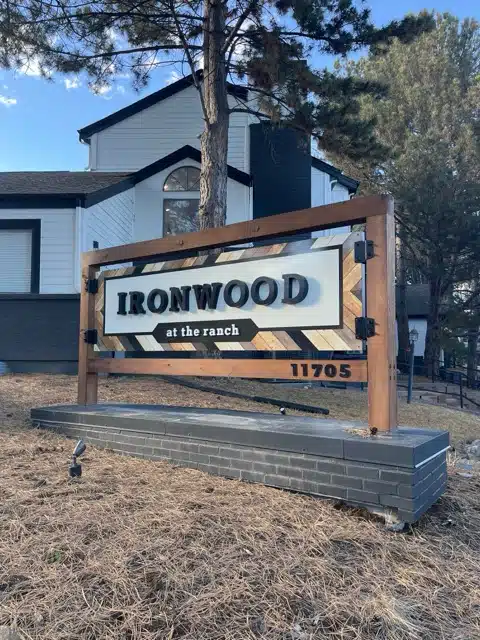
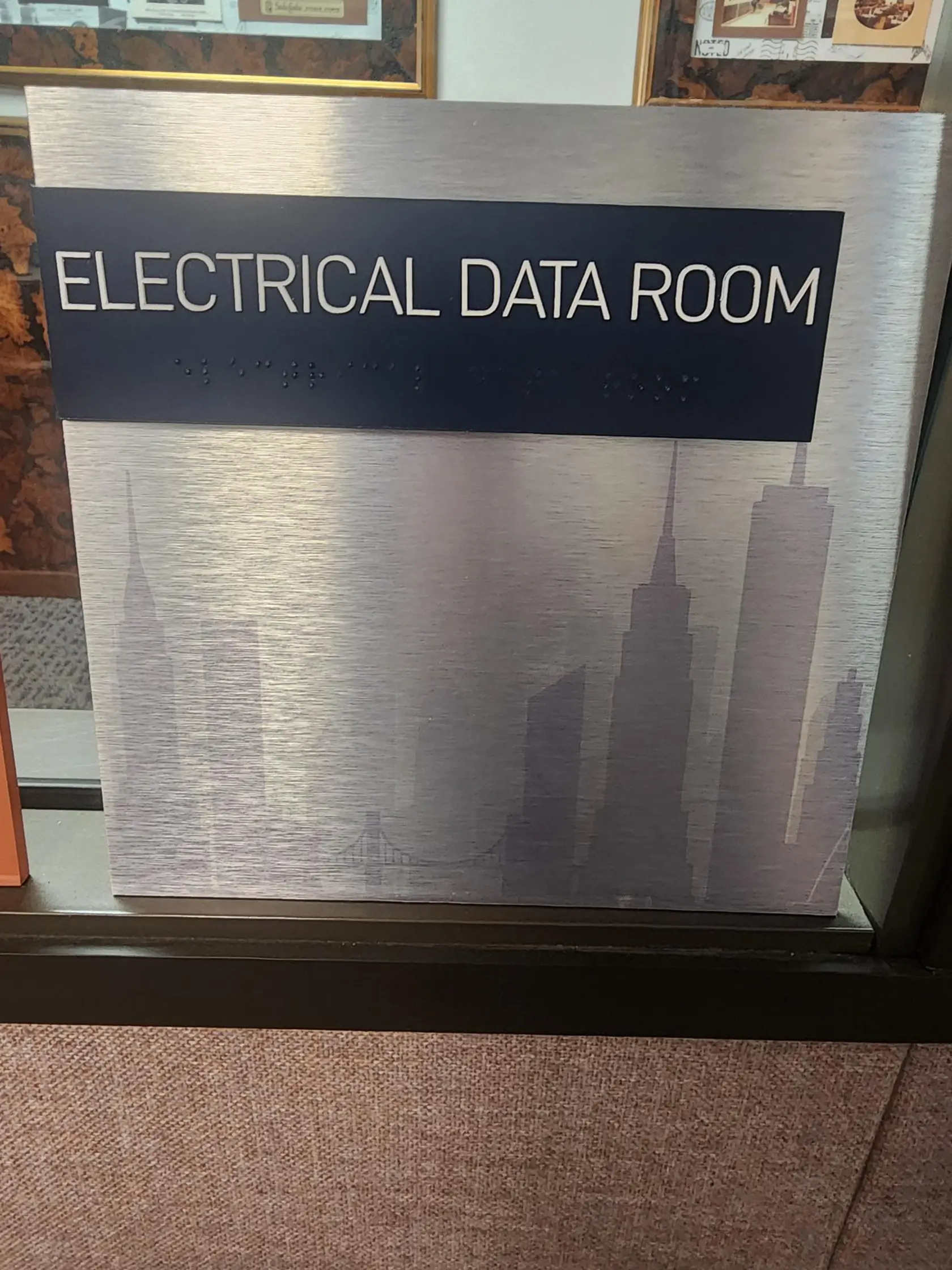
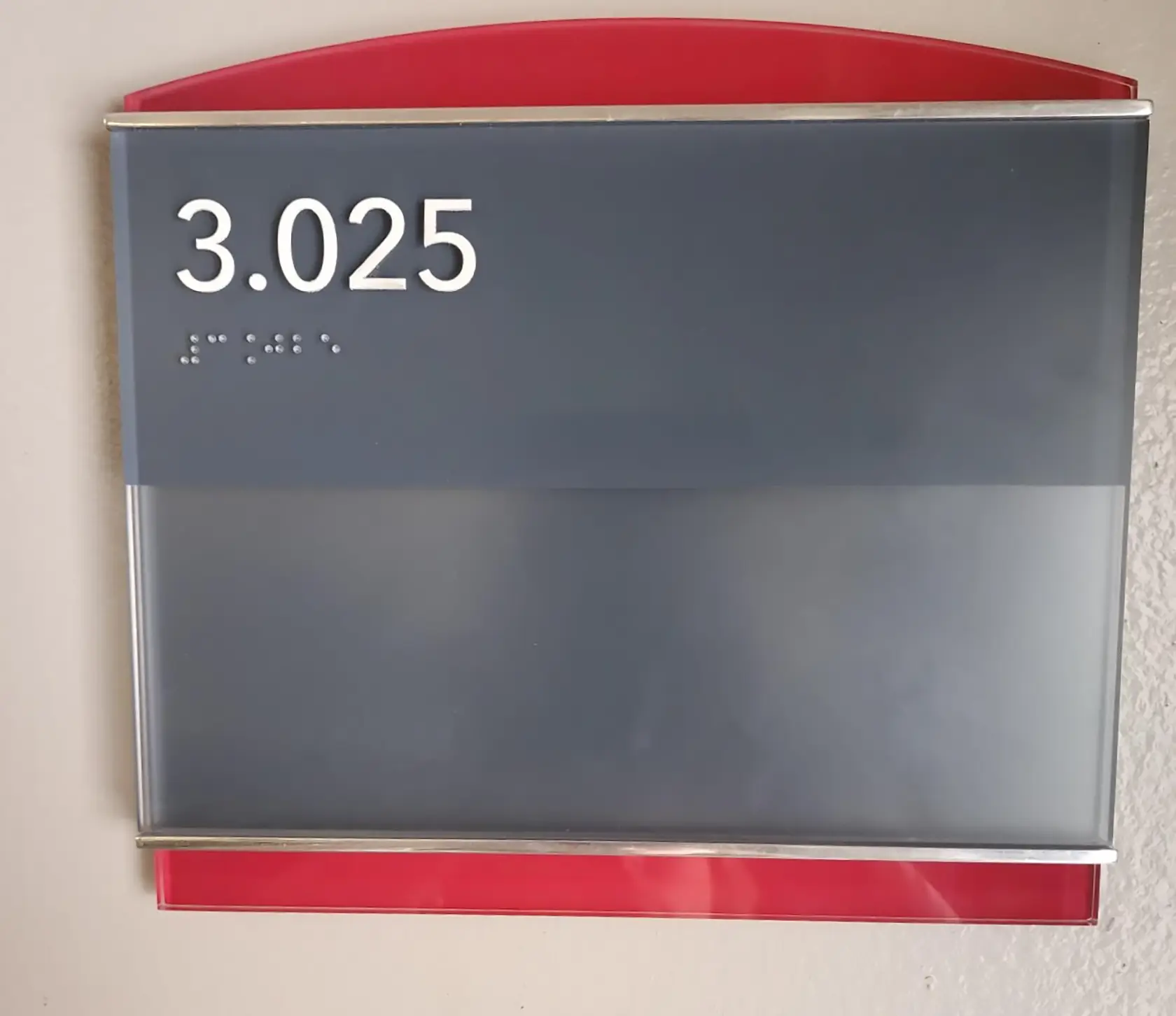
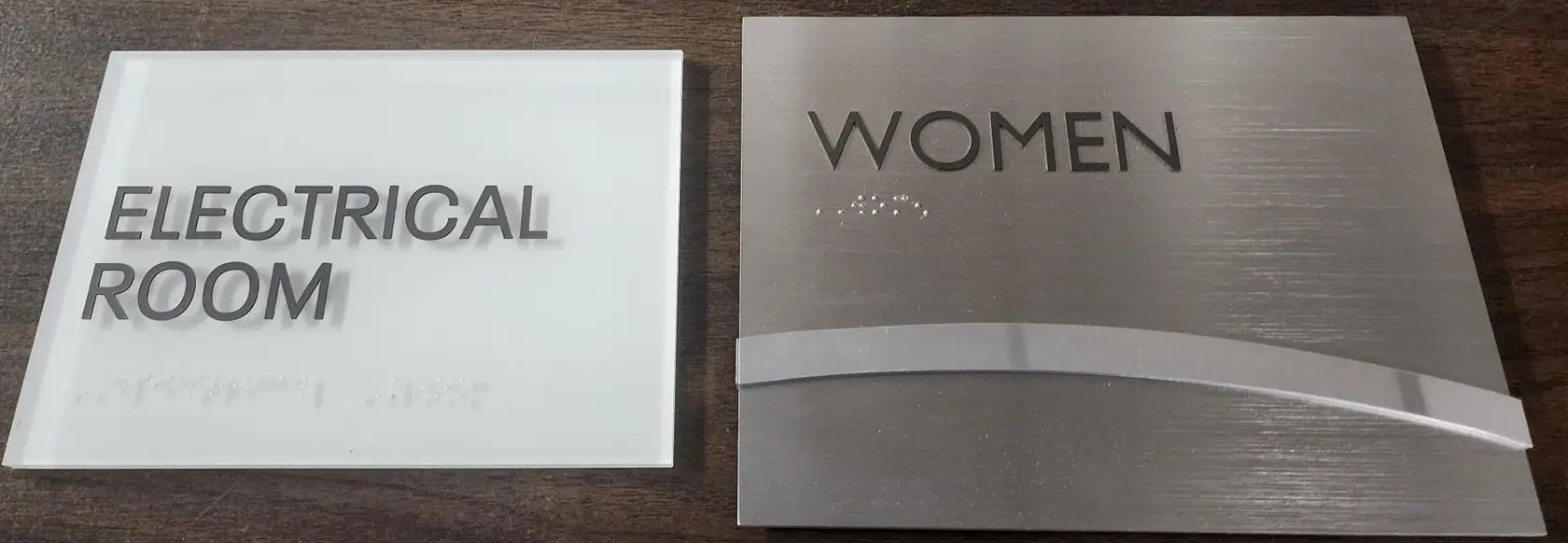
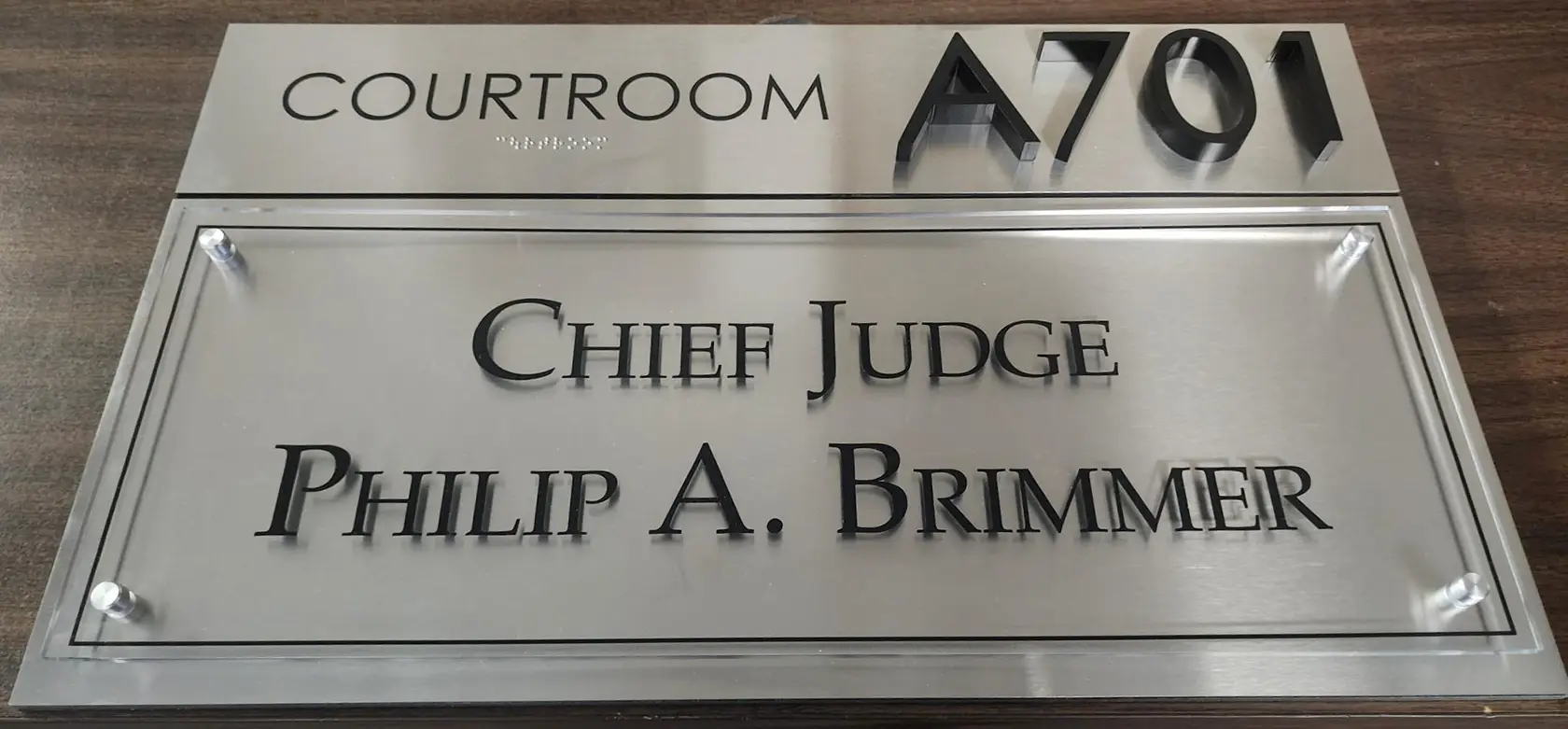
Unsure of where you are? Identification signs exist to label and identify spaces, telling visitors which building they’re at, on which floor, and in which room. They also help people confirm their location and find specific areas within a building, which is why many identification signs have directional labels in smaller text.
As the name suggests, directional signs guide people to their destinations using arrows pointing toward specific areas like exits, restrooms, or elevators.
If your building has multiple rooms, directional signs can quickly become congested. So, it’s crucial to keep your labels and messaging clear and concise to ensure everything is clear. For example, many establishments refrain from spelling out bathrooms, elevators, exits, and other redundant locations and instead use pictograms.
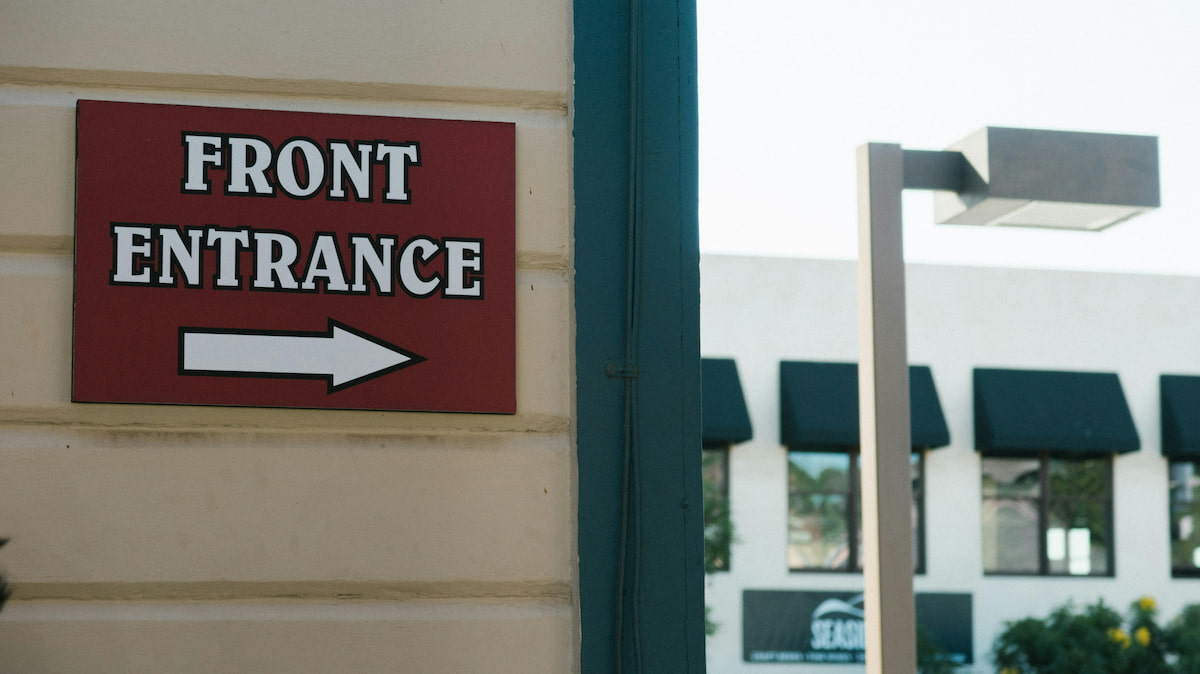
Informational signs provide essential details about a location, event, or service, such as operational hours or safety considerations. One of the first signs people see when visiting your establishment is at its entrance—signs about your hours, payment options, and whether a security camera is in operation, among other things.
Regulatory signs communicate your establishment’s rules, policies, and safety instructions. “No Smoking” for enclosed, indoor spaces and “Authorized Personnel Only” for rooms off limits to visitors are common examples.
That said, remember that regulatory signs must be prominent and easy to understand to ensure compliance. Otherwise, violators could argue they didn’t see them.
If your establishment has any hazards, no matter how minimal, you must install warning signs to avoid causing harm and facing lawsuits. Warning signs alert people to risks, such as wet floors, high-voltage spots, and ongoing construction, so that they can avoid them. They generally use bold colors—primarily yellow—and straightforward symbols for better visibility.
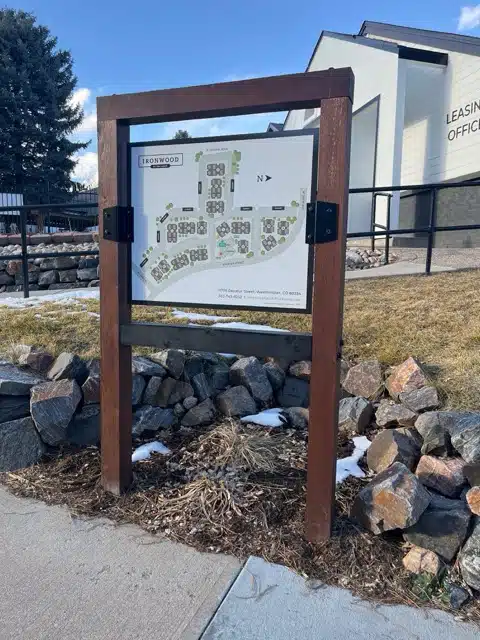
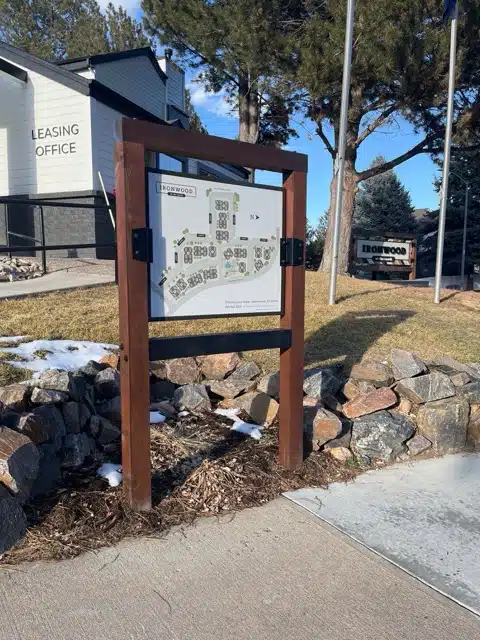
Orientation maps provide a visual layout of your establishment to help users understand their location and get around efficiently. They’re common in malls, theme parks, and other sprawling spaces, with a “You’re Here” label marking the sign’s location on the map. Some even have directories to aid in finding exact places within your building.
Given their usefulness, you’ll often find large orientation maps at key entry points and intersections.

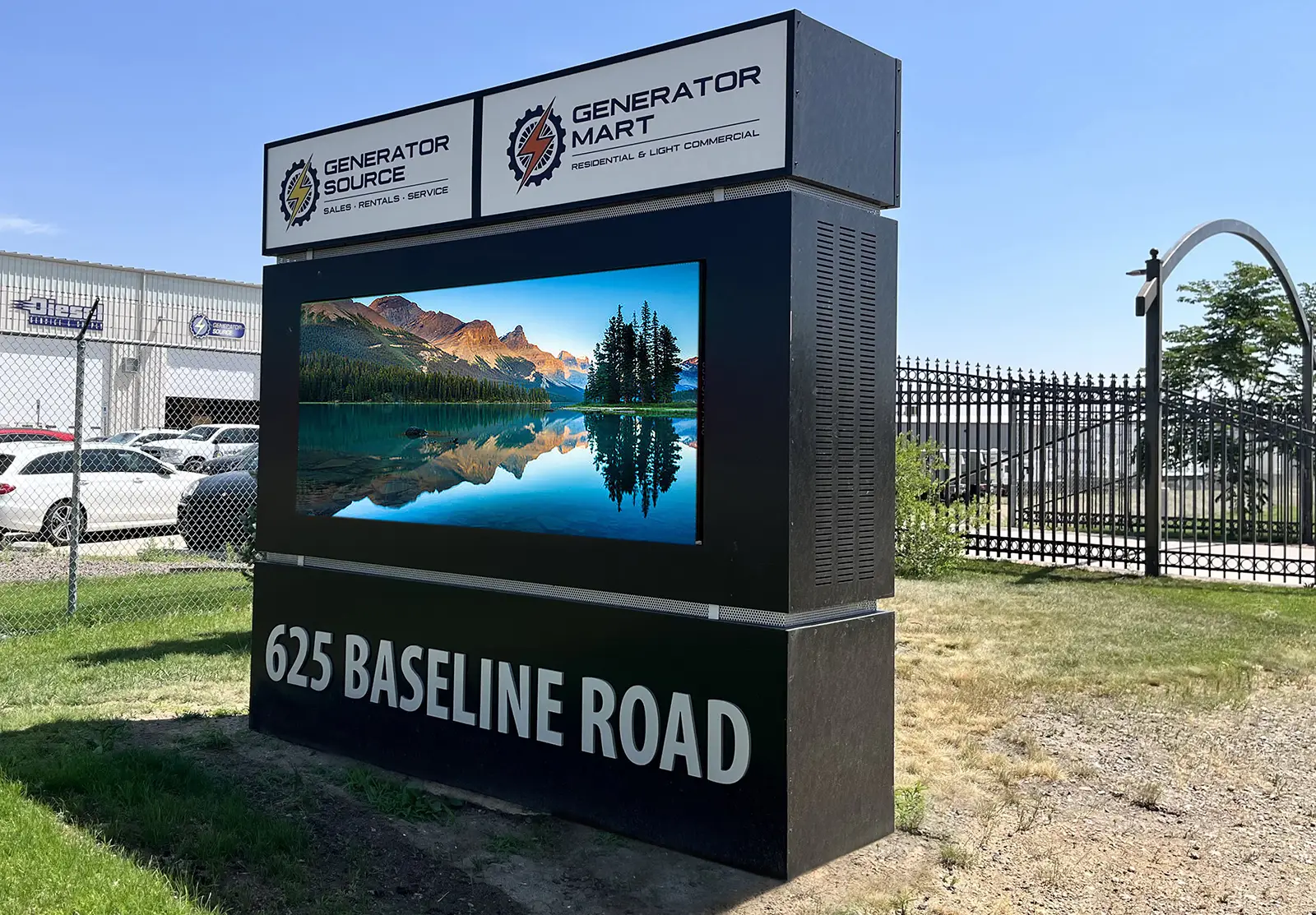
Sometimes, a building is so massive and winding that a traditional sign won’t cut it, necessitating digital wayfinding signs and maps. This tech provides interactive experiences and multimedia content telling visitors exactly where to go, usually with lines to guide them to their destination.
Better yet, you can update digital signs easily. Did a room switch locations? Did you add another floor to your building? You don’t need to print out new signs—simply edit the map via its software to reflect changes.
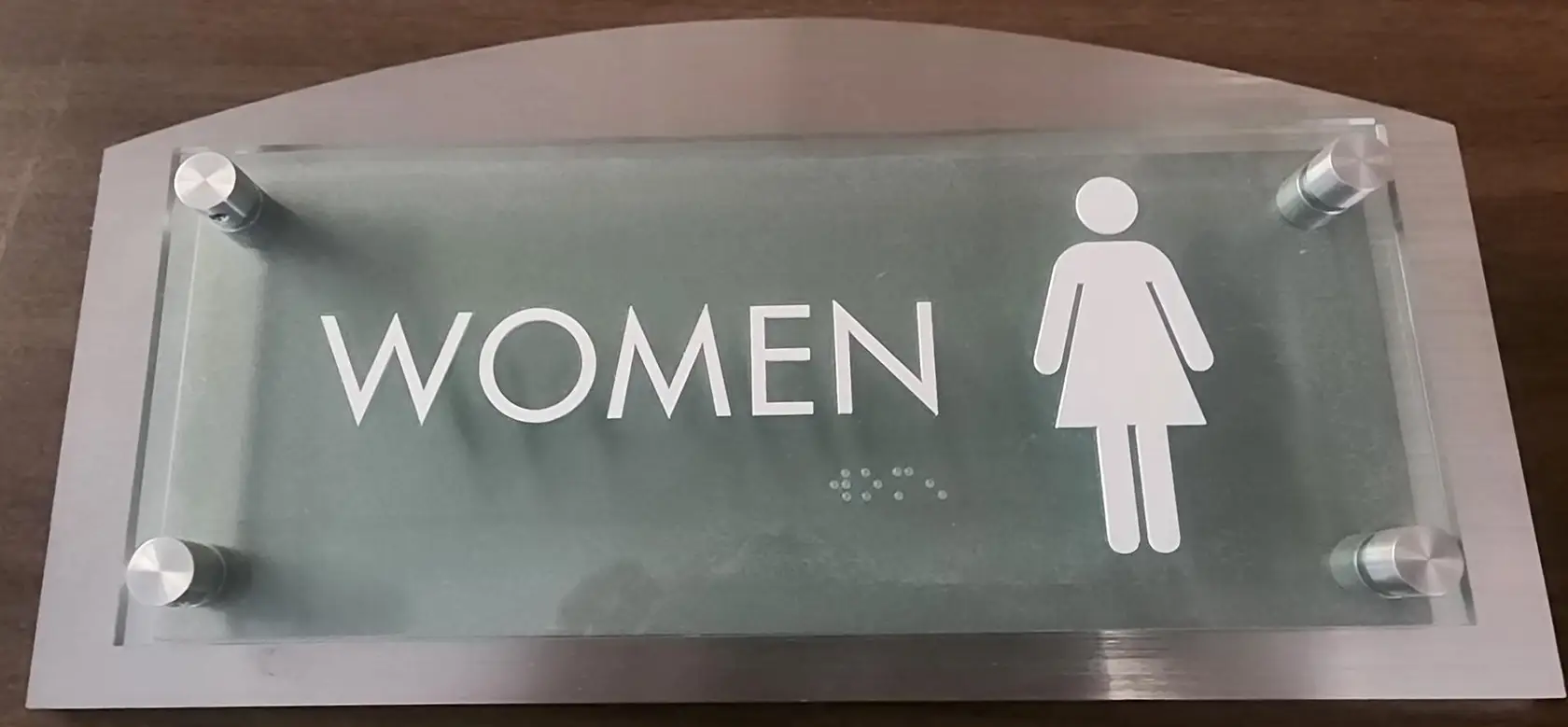
Pictograms make signs more compact and straightforward since you don’t have to spell things out. You could use the figure of a woman to mark women’s comfort rooms, a person in a wheelchair for accessible toilets, and a fire extinguisher for firefighting equipment. For warning signs, a slipping person can mark wet areas on the floor.
A comprehensive wayfinding sign system enhances visitors’ experience while navigating your space. Now that you’re familiar with the various types of wayfinding signage, try implementing them in your business. Doing so makes your establishment much more practical while improving its safety, especially with warning signs.
Let our professional signage designers help you out. Artcraft Sign Company has extensive experience producing wayfinding signs tailored to our client’s needs, so leave it up to us to elevate your space’s functionality.
Contact us to get started!
In a cutthroat market, high-quality screen printing is a crucial differentiator for brand identity. From custom apparel to high-volume promotional …
When consumers are faced with rows of products on the shelf or online, the label is the primary factor in …

Entering a busy event can be visually overwhelming, with a barrage of signs—all different sizes, designs, and colors—competing for attention. …