Key Factors to Consider When Designing Outdoor Business Signs
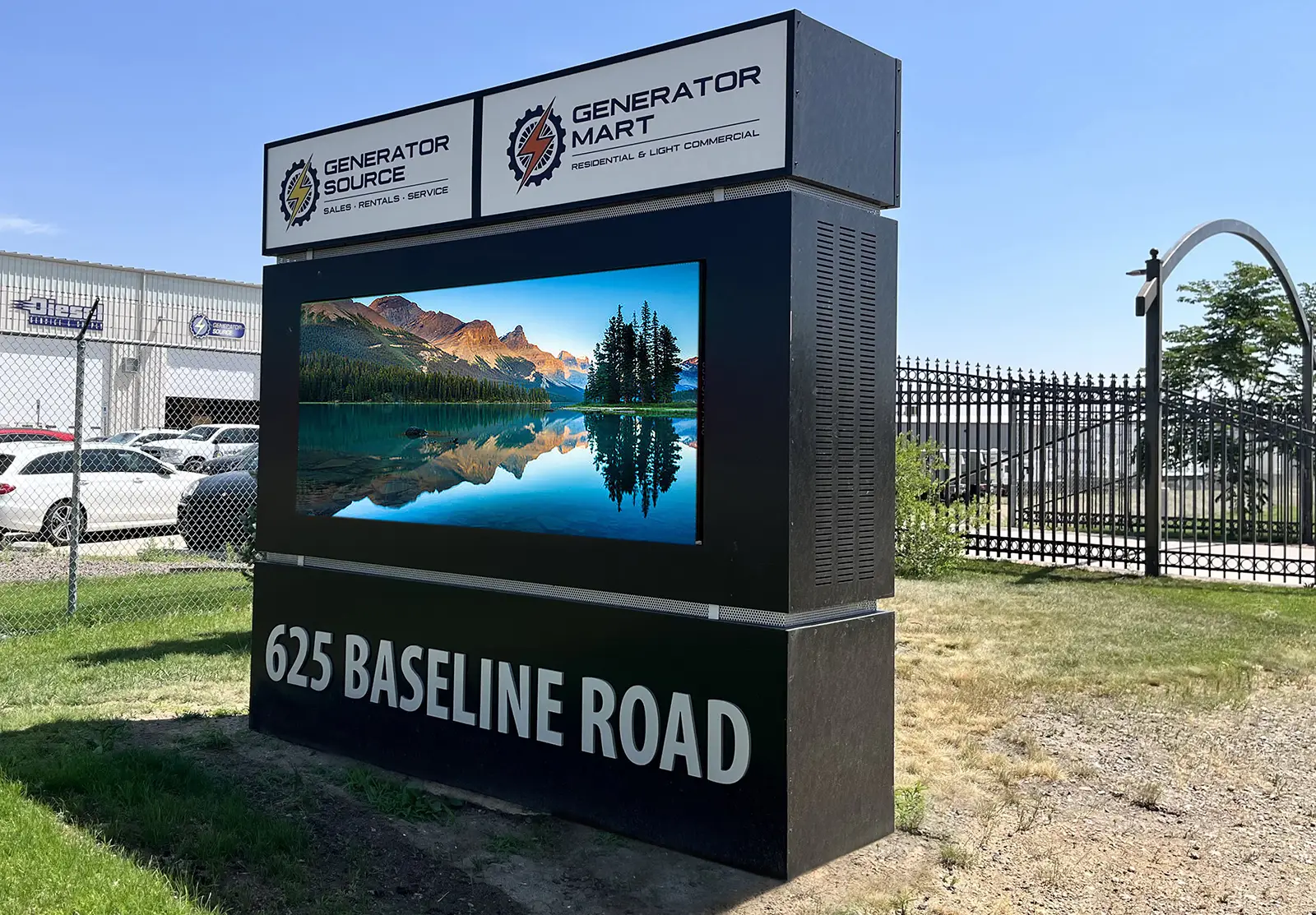
Compelling signage opens the door to powerful business impact. A well-crafted sign draws attention, builds trust, and continues to deliver …

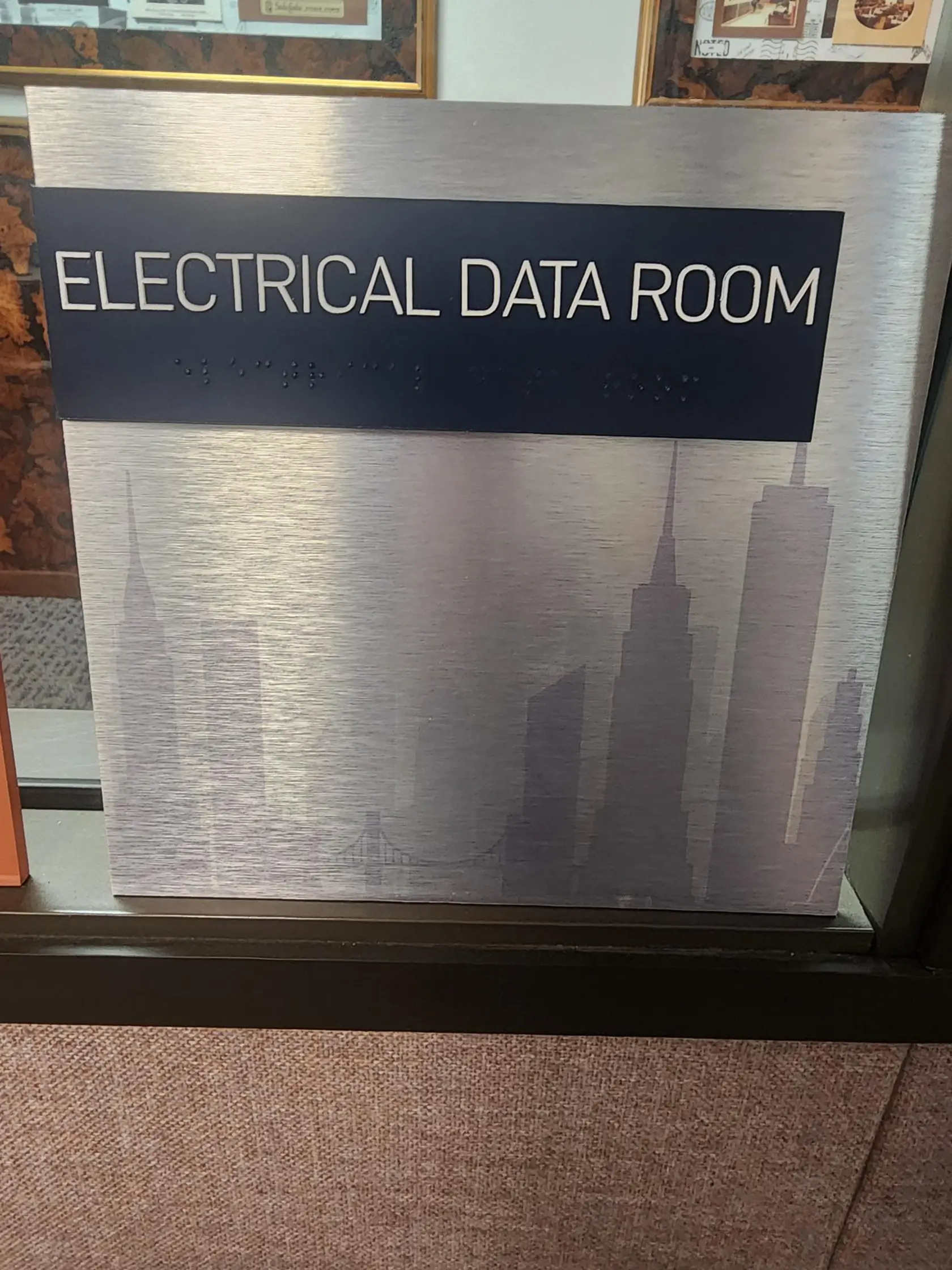
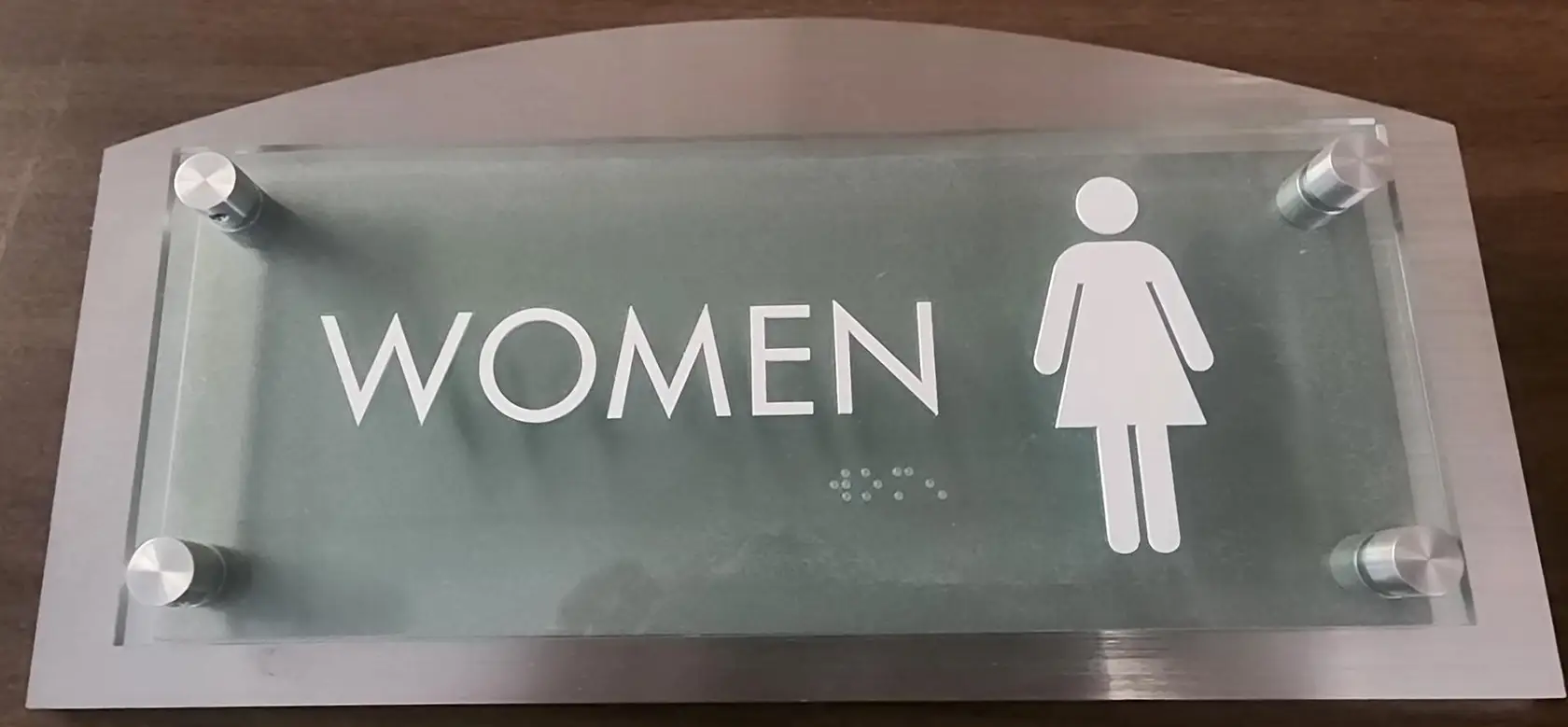
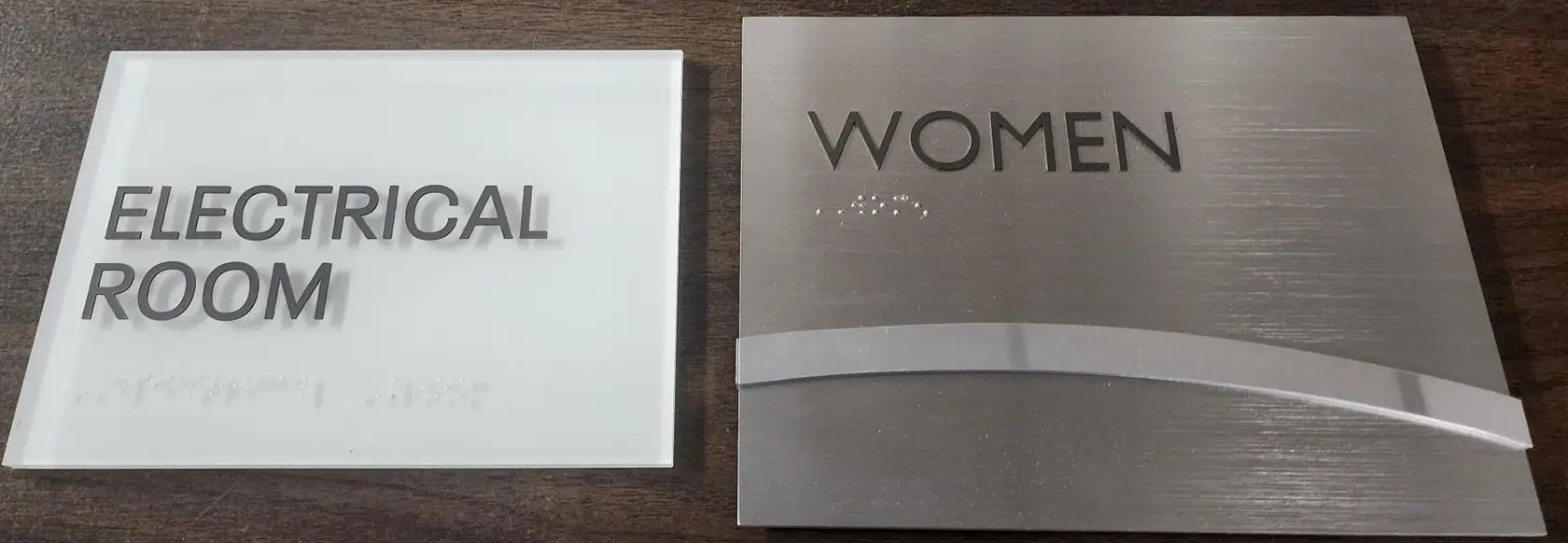
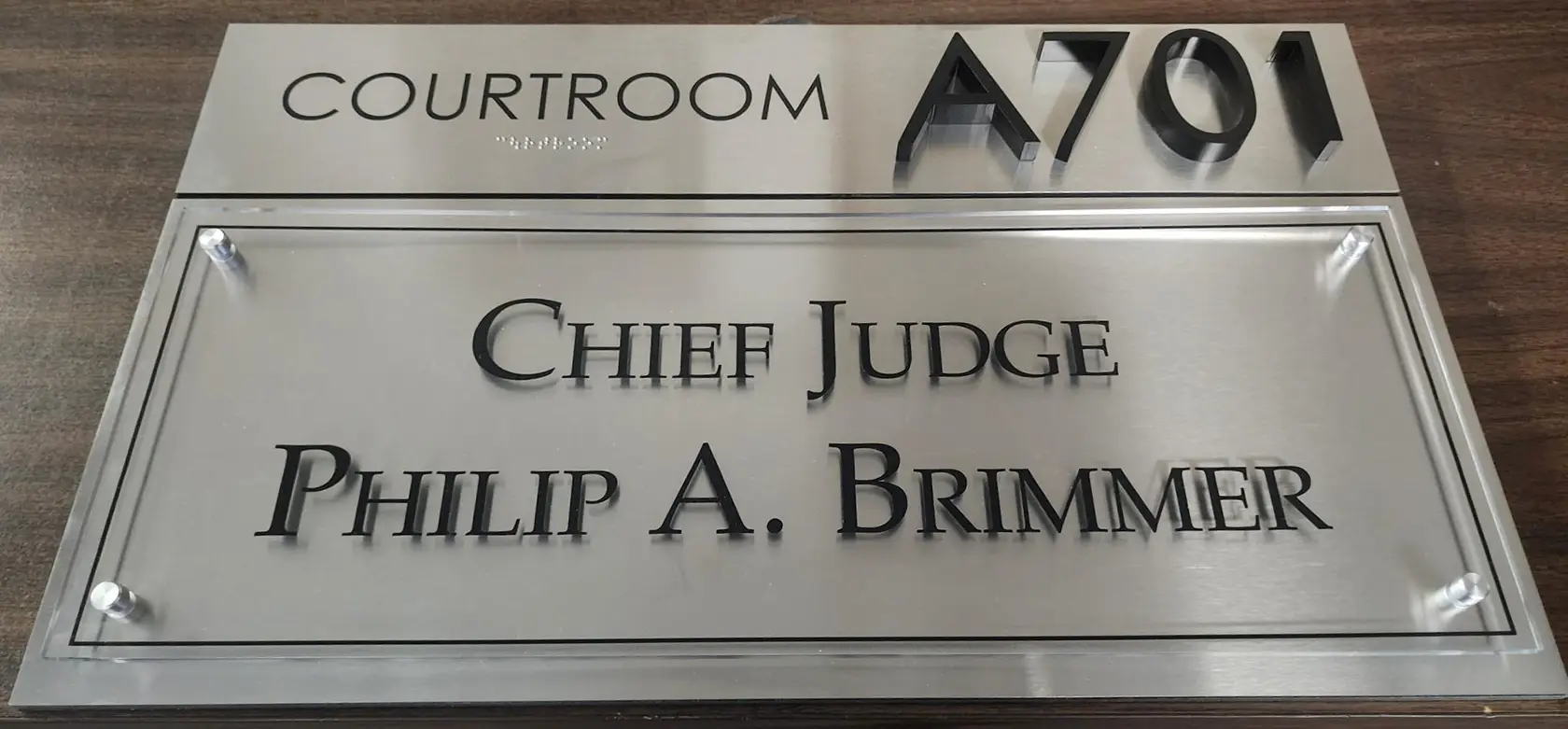
Tactile braille signage allows people with vision impairments to identify each room in the building and better navigate their way through the space. But how do blind people find braille signs in the first place? These innovative individuals employ many smart navigation techniques to best explore the world around them. Their ability to find the braille signs is not at all by chance. Instead, they use any or all of the following tactics to locate the signs in every building they visit.
So, how do blind people find braille signs in the buildings they visit? Well, for starters, they bring along essential aides to use as a guide. With those aides in hand, people with vision impairments can navigate through unknown spaces and quickly gain their bearings. Their aides help them locate the braille signs as well, which then tell them more about the building layout as they navigate to their target destination.
Common essential aides for vision-impaired individuals include:
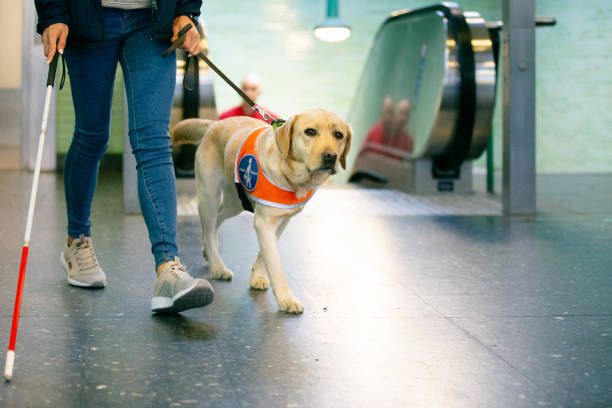
The types of essential aides used largely come down to personal preference. What works for one person may not work well for another. Plus, not all venues are set up to work equally well with each aide. So, it’s important to have many options available at all times.

If there’s a receptionist, concierge desk, or greeter near the front doors, visually impaired people will often just ask where to find braille signs in the building. With a quick inquiry, they can learn tons of important information about their approach to sign placement.
Blind people may learn to look for the ADA tactile signs at about shoulder height on the right side of the doorways, for example, allowing them to quickly check for signs along their route. They’ll also often end up with directions on how to navigate through the building to their target destination.
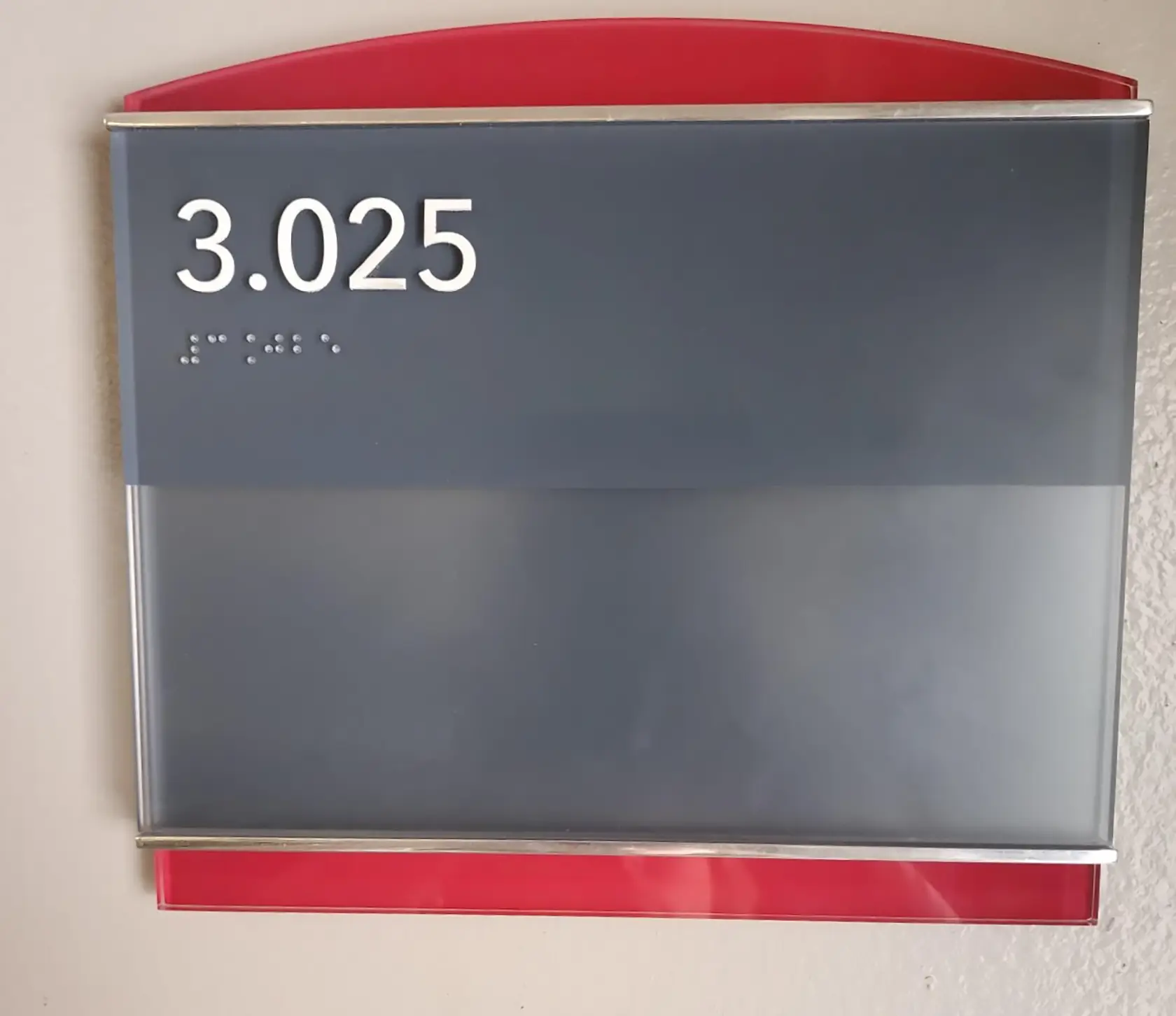
Braille signs have to abide by all the right fabrication and placement standards to truly comply with the Americans with Disabilities Act. The writing on the signs must be 1/32 inches thick and 5/8 to 2 inches tall plus have grade 2 braille imprinted nearby.
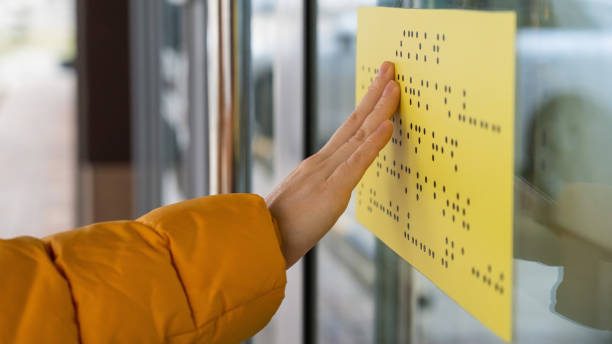
When it comes to how blind people find braille signs, the mounting location is everything. For that reason, the ADA requires that the signs sit on the latch side of the door. They need to be about two inches from the door and around 60 inches from the floor. You can also place them near an adjacent wall if there’s not sufficient space near the door.
By following all the standards, you no longer have to wonder if blind people find the braille signs in your building. You’ll just know that you’ve done all you could to create a truly accessible space for all your guests.
Now that you know just how blind people find braille signs, you can put yours up with purpose. Start by having our team at Artcraft Sign Company create your ADA tactile signage to standard.
With our help, you can ensure your signs comply fully with the Americans with Disabilities Act. We have over 140 years of experience designing and fabricating signage using the latest technology. On top of that, our grade 2 braille translation abilities ensure that you’ll always get accurate messaging on all your signs.
Compelling signage opens the door to powerful business impact. A well-crafted sign draws attention, builds trust, and continues to deliver …

Signage is an essential part of any business wanting to expand since it facilitates client engagement. Signs can serve a …

The lobby is the first point of interaction an outsider will have with your company. The way your lobby is …